Tracing the Development of Instant Withdrawal Features Through Advanced Verification Systems in Mobile-Based Entertainment Services
Carlo Keller · Oct 30, 2026
Tracing the Development of Instant Withdrawal Features Through Advanced Verification Systems in Mobile-Based Entertainment Services
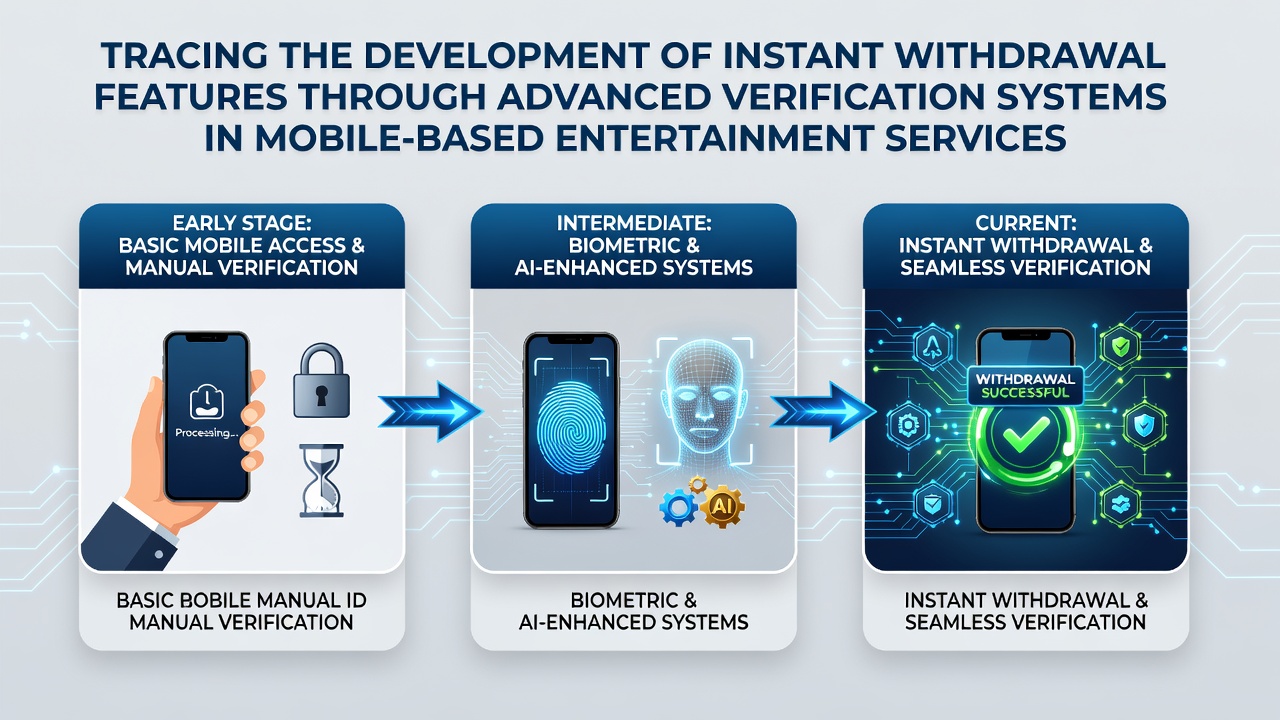
Instant withdrawal capabilities in mobile entertainment services emerged from steady refinements in verification technology that began during the mid-2000s, when basic account checks relied on manual document uploads and delayed bank transfers that often took several days to complete. Developers integrated automated identity checks through government databases and credit bureaus, yet those early systems still required hours or days for approval before funds could move. Over the following decade, mobile platforms adopted real-time data matching tools that pulled information from multiple sources simultaneously, and this shift allowed operators to confirm user details within minutes rather than waiting for manual review cycles.
Initial Steps Toward Faster Processing
By the early 2010s, entertainment service providers started testing biometric elements such as fingerprint scanning and facial recognition on smartphones, and these features combined with device-based location data to create layered verification layers that reduced fraud risks while accelerating approvals. Studies from research institutions showed that combining multiple data points cut processing times dramatically in controlled trials, and operators applied those findings to live environments where users expected quicker access to funds after gameplay sessions ended. Regulatory frameworks in various regions required secure handling of personal information, which pushed companies to adopt encryption standards that protected data during the verification exchange.
Integration of Machine Learning and Real-Time Checks
Machine learning models entered the picture around 2015 when platforms began analyzing user behavior patterns alongside traditional identity documents, and this approach flagged suspicious activity instantly without halting legitimate transactions. Observers note that systems trained on large datasets learned to distinguish between normal withdrawal requests and potential anomalies, which allowed approvals to occur in under sixty seconds for verified accounts. Mobile operating systems added native support for secure element storage that kept biometric templates isolated from other apps, and this hardware-level protection gave entertainment services greater confidence when granting instant access to balances.
Expansion Across Global Markets
Regional differences shaped how quickly these features rolled out, whereas European markets emphasized data protection rules that aligned with eIDAS standards for electronic identification, while North American operators focused on state-level licensing that demanded robust audit trails for every transaction. Data from the American Gaming Association indicates that adoption rates climbed steadily as verification accuracy improved, and similar patterns appeared in Asia-Pacific jurisdictions where mobile penetration rates supported widespread testing of instant payout pilots. Service providers collaborated with payment processors to embed verification APIs directly into banking apps, which eliminated separate login steps and further shortened the time between request and completion.
Developments Reported in October 2026
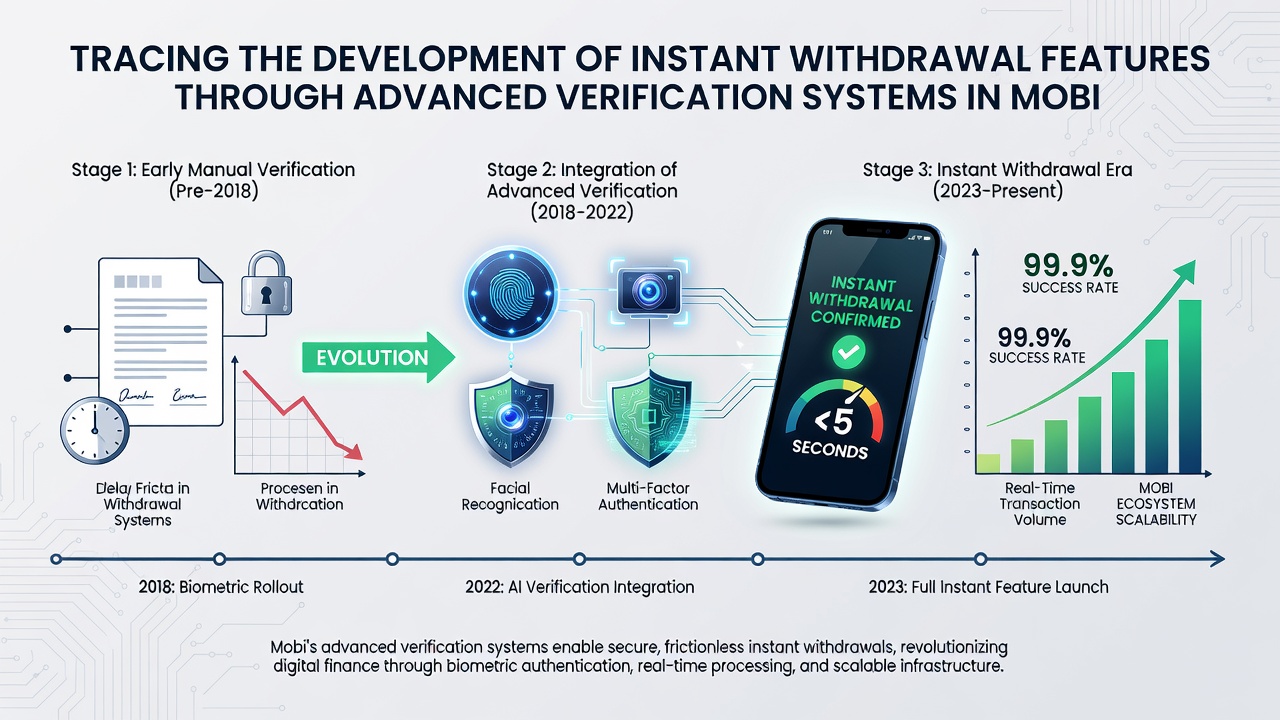
Reports released in October 2026 highlighted new verification suites that incorporated behavioral analytics with passive liveness detection, and these tools confirmed user presence through micro-movements captured by phone cameras without requiring active prompts. Figures from industry monitoring groups revealed that average withdrawal times dropped below thirty seconds for accounts with established histories, while first-time users still completed checks in under two minutes through streamlined document scanning and cross-referenced database queries. Mobile entertainment services updated their backend infrastructure to handle higher transaction volumes during peak periods, and this capacity expansion coincided with regulatory updates that standardized instant payout requirements across multiple jurisdictions.
Technical Components Driving Current Capabilities
Current systems rely on a combination of optical character recognition for ID cards, AI-driven facial matching, and device attestation protocols that verify hardware integrity before processing any request. Those who've studied these implementations know that each component operates in sequence yet overlaps where possible to minimize delays, and the result supports continuous operation across different network conditions. Payment networks introduced dedicated rails for verified entertainment accounts that bypass traditional clearing houses during low-risk scenarios, and this infrastructure change enabled the instant transfers users now expect from their mobile devices.
Conclusion
The progression from delayed manual reviews to near-instant approvals reflects cumulative advances in verification accuracy and regulatory alignment that continue to shape mobile entertainment services. Ongoing refinements in biometric sensors and data integration protocols suggest further reductions in processing windows remain possible, provided security standards keep pace with emerging threats. Observers continue to track how these systems evolve in response to new device capabilities and updated compliance expectations across different regions.