Tracing Cryptocurrency Protocols and Their Influence on Real-Time Payout Structures in Emerging Digital Gaming Platforms
Gisela Lehmann · Oct 16, 2026
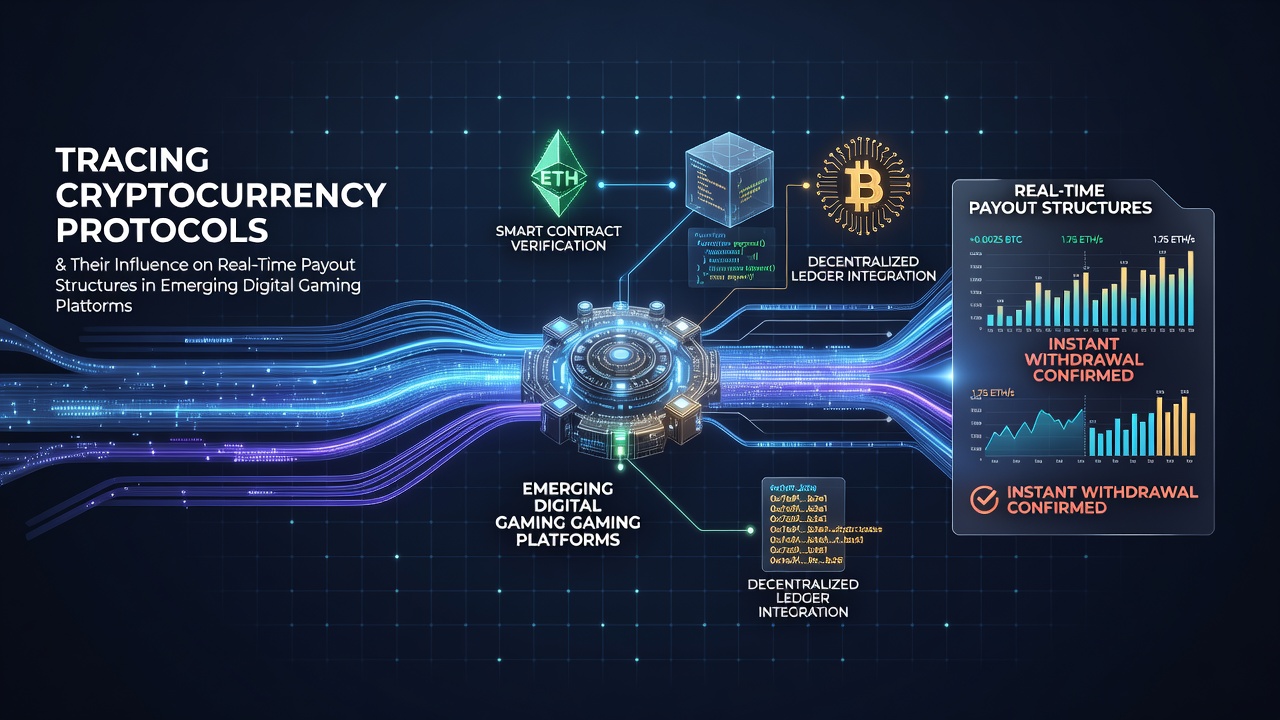
Tracing Cryptocurrency Protocols and Their Influence on Real-Time Payout Structures in Emerging Digital Gaming Platforms
Blockchain networks operate through consensus mechanisms that verify transactions across distributed ledgers, and these protocols now shape how emerging digital gaming platforms handle payouts. Protocols such as proof-of-stake and delegated proof-of-stake reduce confirmation times compared to earlier proof-of-work systems, which allows operators to process player withdrawals in seconds rather than minutes. Data from multiple platforms indicates that faster block times on networks like Solana and Avalanche have supported continuous gameplay loops where winnings move directly to user wallets without manual intervention.
Core Components of Cryptocurrency Protocols in Gaming Contexts
Smart contracts written in languages like Solidity or Rust execute predefined rules once conditions are met, and gaming platforms embed these contracts to automate prize distribution. Observers note that platforms built on Ethereum Layer-2 solutions batch multiple micro-transactions into single on-chain records, which lowers fees while maintaining transparency for every payout event. Research from academic institutions shows that transparency logs recorded on public ledgers help regulators trace fund flows without requiring centralized databases that can introduce delays.
Token standards such as ERC-20 and SPL further standardize how in-game currencies convert to withdrawable assets. When a player completes a challenge or tournament round, the contract triggers an immediate transfer, and the player receives tokens that can be swapped on exchanges or held for future use. Figures from industry reports reveal that platforms using these standards recorded higher retention rates during 2025 because users valued the ability to access funds instantly.
Real-Time Payout Mechanics Enabled by Protocol Advances
Real-time payouts depend on low-latency finality, and protocols that finalize blocks within one or two seconds meet the demands of live gaming sessions. Developers integrate oracle services that feed external data into contracts, allowing results from random number generators or esports match outcomes to trigger payouts without human review. Those who have examined transaction logs on public explorers find that average settlement times dropped below five seconds on several major platforms by early 2026.
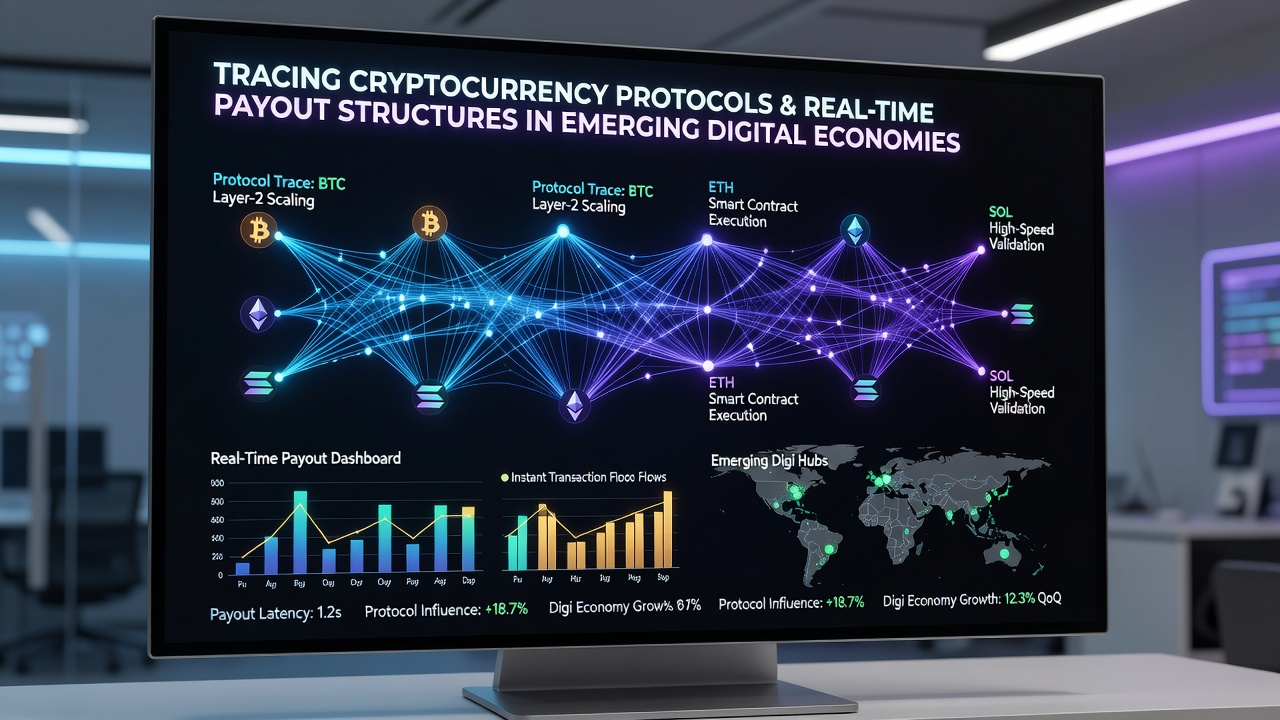
Payment channels and state channels extend this capability by handling multiple rounds of play off-chain before settling the net result on the main ledger. Players experience seamless sessions where small wins accumulate and the final balance settles in one transaction, which reduces network congestion during peak hours. According to data compiled by the European Gaming and Betting Association, platforms that adopted channel technology processed 40 percent more concurrent users in October 2026 without increasing infrastructure costs.
Impact on Emerging Platform Architectures
New platforms launched in 2025 and 2026 frequently select protocols that support parallel transaction processing, and this choice directly affects how quickly users receive rewards. Cross-chain bridges allow assets from one network to move to another, giving operators flexibility when one chain experiences congestion. Researchers at universities in Canada and Australia documented cases where bridged assets enabled uninterrupted play even when primary networks faced temporary slowdowns.
Security audits performed by independent firms verify that contract code cannot be exploited to divert funds, and platforms that publish these audits attract users who prioritize verifiable fairness. The reality is that transparent payout histories recorded on-chain serve as marketing tools, because potential players can review past distributions before depositing. Industry organizations such as the Blockchain Gaming Alliance have published guidelines that help developers align protocol choices with regulatory expectations across different jurisdictions.
Regulatory and Technical Considerations Across Regions
Authorities in the United States and the European Union require operators to maintain records that demonstrate compliance with anti-money laundering rules, and on-chain analytics tools now provide the necessary audit trails. Platforms integrate these tools at the protocol level so that every payout carries metadata that flags unusual patterns for review. Data released by the Australian Transaction Reports and Analysis Centre shows increased adoption of such monitoring systems among digital gaming operators during 2026.
Energy consumption remains a point of discussion for proof-of-work chains, while newer protocols emphasize efficiency. Operators that migrated to proof-of-stake networks reported lower operational overhead, which allowed them to allocate resources toward player incentives instead. Those who track these migrations note that the shift coincided with broader platform growth in markets outside traditional gambling hubs.
Conclusion
Cryptocurrency protocols continue to evolve, and their integration into digital gaming platforms has produced measurable changes in payout speed and transparency. As networks improve scalability and finality, operators gain tools that support real-time settlement across multiple game types. External links to authoritative sources, such as ESMA regulatory updates and AUSTRAC compliance reports, provide ongoing data that platforms use to refine their systems. The pattern observed through October 2026 indicates sustained technical refinement rather than abrupt shifts, with protocol improvements steadily expanding what real-time payout structures can achieve in emerging environments.